- Procure Nerds
- Posts
- Procurement Needs a Zoning Plan
Procurement Needs a Zoning Plan
Why Category Strategy Is the City Planning of Sourcing

Ana Zvijinschi
June 23, 2025
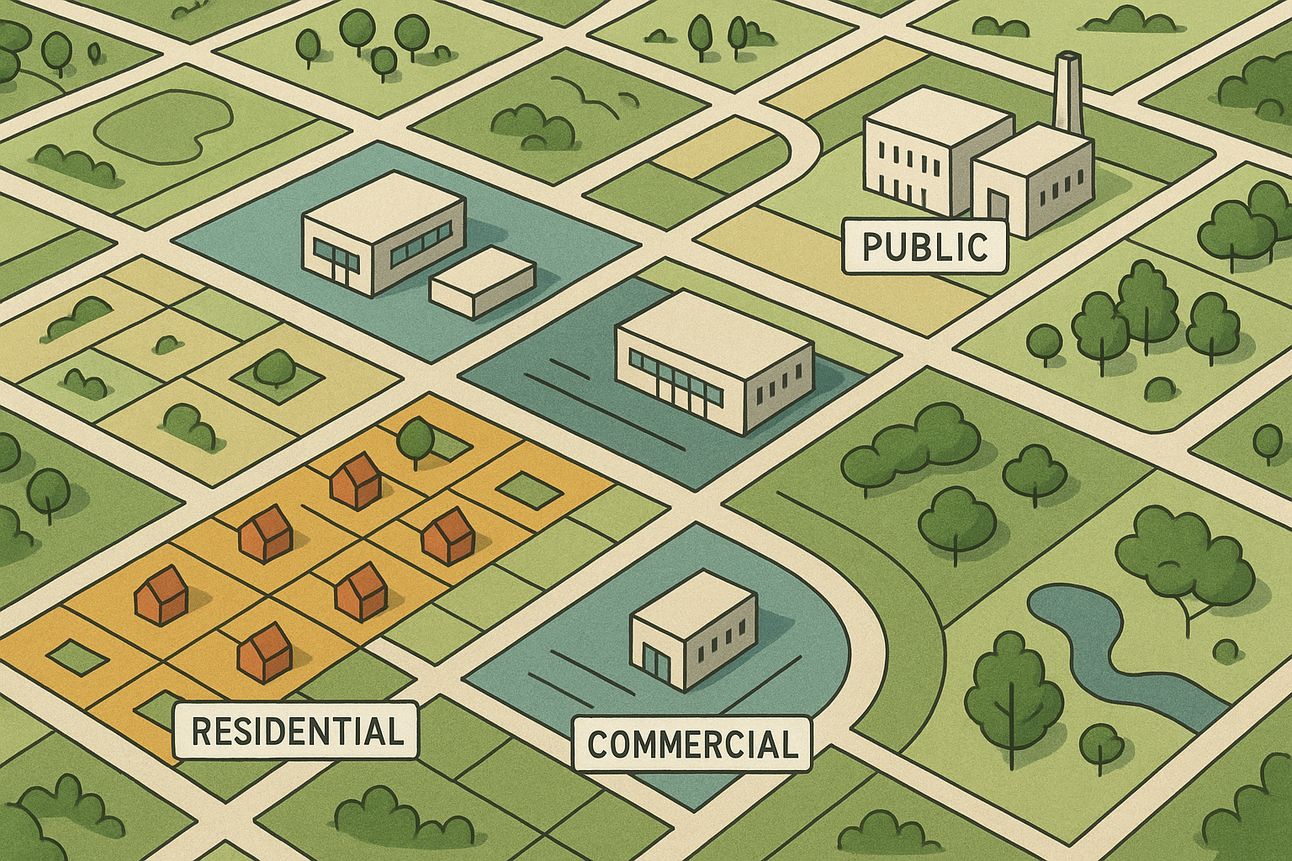
Imagine living in a city with no zoning laws.
A nightclub beside a hospital. A refinery next to a preschool, or even more common in Romania - bars selling alcohol next to schools.
The result? Gridlock, lawsuits, and infrastructure chaos.
That’s what your procurement function looks like without a real category strategy.
What Category Strategy Really Means
Too many teams treat category strategy as a glorified spend taxonomy:
IT
Marketing
Facilities
MRO
That’s not really strategy, more like labeling. A true category strategy takes into account:
Intentional, long-term supply decisions
Governance aligned to risk and complexity
Segmentation of spend based on business impact—not department
Think Like a City Planner
Even in less developed cities, there is some sort of urban planning, at the very least making the difference between residential, commercial and industrial.
In simple terms, cities create zones thus avoiding lawsuits. Just like in procurement, segmentation is required.
Zone | Procurement Analogy |
|---|---|
Residential | Tail spend. Needs basic rules, but not heavy governance |
Industrial | Mission-critical categories. Require oversight, depth, control |
Mixed-use | Shared ownership categories (e.g., SaaS, logistics) needing coordinated governance |
Without segmentation, procurement gets maverick spend, vendor overlap, and value leakage.
What the Data Actually Shows
According to The Hackett Group’s 2024 CPO Agenda – Procurement Key Issues Study:
Organizations that embed formal category strategies across most spend report 2–3x better performance in savings, cost reduction, and internal alignment
Category management maturity remains #1 priority for professionals facing cost, risk, and transformation pressure
📚 Source – Hackett Group 2024 Procurement Agenda (registration required)
What Happens Without a Zoning Plan
Case in point:
A global FMCG firm had 31 creative agencies working across regions.
No consolidation
No visibility
Redundant SOWs and overlapping scopes
By applying a zoning strategy:
Standardized 70% of creative to 3 global partners
Local agencies retained only for market-specific activations
Achieved 19% annual cost reduction and accelerated time to brief
📬 Enjoying this content? Don’t miss a drop:
👉 Subscribe to Procure Nerds to get articles, toolkits, and playbooks delivered straight to your inbox.
Strategic Blind Spots to Watch
Even if you “have a strategy,” challenge these:
Do category leads have commercial authority—or are they tactical?
Are stakeholder objectives formally included in category planning?
Is strategy reviewed yearly—or is it a dusty PPT from 2021?
Is tail spend governed or completely ignored?
Do contracts map to the same segmentation you report?
How to Build a Zoning-Style Category Strategy
Create Intent-Based Segments
Don’t group by vendor name or GL code—group by sourcing risk, business sensitivity, and innovation potential.Apply Governance per Zone
Residential zones (tail) → light rules
Industrial zones (strategic IT/logistics) → heavy playbooks
Mixed-use → co-ownership with stakeholdersUse Data to Draw Boundaries
Spend concentration, supply base fragmentation, performance variance, stakeholder dependenciesRedesign Procurement Roles Around Zones
A tactical buyer shouldn’t own a strategic zone. Align role scope to category complexity.Create a Living Document
Review categories annually. Let strategy evolve with business needs—not stay stuck in your last reorg.
Final Thought
Category strategy isn’t documentation.
It’s design.
Without zoning, your procurement city is built on chaos.
If you want to scale value—start with better urban planning.
✅ Up Next:
💊 “Maverick Spend Is a Superbug: What Antibiotic Resistance Can Teach Procurement”
📰 Subscribe to Procure Nerds to read the full series, get category strategy templates, and access exclusive toolkits.