- Procure Nerds
- Posts
- Monopoly Procurement: When One Supplier Holds All the Cards
Monopoly Procurement: When One Supplier Holds All the Cards

Ana Zvijinschi
July 15, 2025
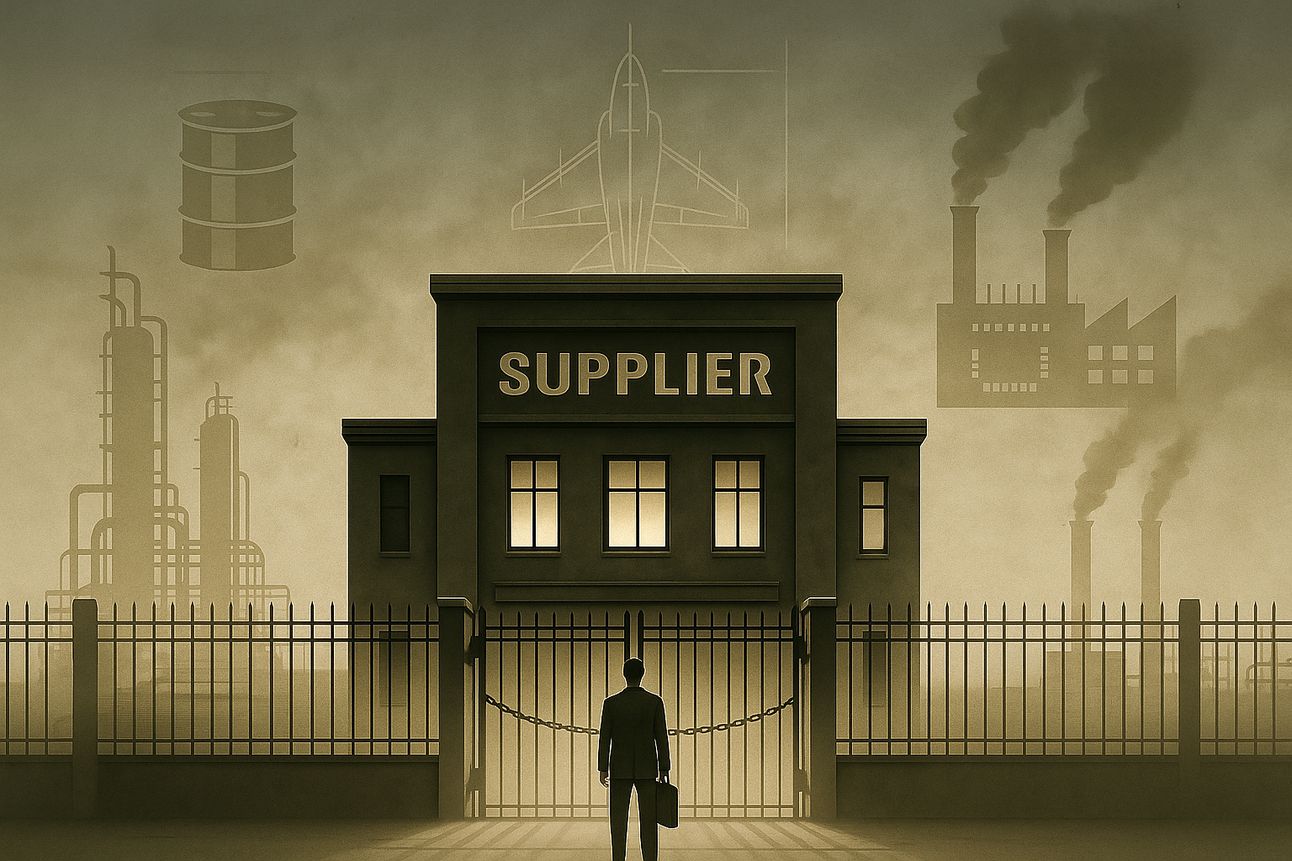
Welcome to the glamorous world of monopoly procurement—where the supplier knows they’re the only belle at the ball… and they price accordingly.
In some markets, this isn’t just a feeling—it’s reality.
From highly specialized chemicals to mission-critical aerospace parts, single-supplier scenarios are a lived reality for many procurement teams. But while you may not have pricing power, you’re not powerless.
This article walks through how to survive, respond, and regain control—without blowing up supply.
Where Monopolies Are Real
Single-supplier markets exist across several high-barrier industries.
These are not just “preferred vendors”—they’re structural monopolies, created by intellectual property, regulation, or physics.
Common Industries for Single Supplier Scenario | Monopoly Examples |
|---|---|
Chemicals & Pharma | - Ultra-pure reagents (e.g. Sigma-Aldrich/Merck) - Patented APIs with exclusivity windows |
Aerospace & Defense | - Engine components from Rolls-Royce - Specialized avionics from Thales |
Semiconductors | - ASML: sole supplier of EUV lithography machines |
Rare Earths | - 85%+ global supply controlled by China |
Biotech & Diagnostics | - Proprietary enzymes - CRISPR delivery kits |
Utilities & Treatment Chemicals | - Region-specific sole providers for chlorine, ammonia, caustic soda |
But Is It Really a Monopoly? Ask These First
Before accepting defeat, challenge the assumptions. Many “no-alternative” situations stem from internal legacy behaviors.
Are there overlooked foreign vendors? Risk-averse specs often ignore viable global alternatives.
Can the specification be changed? Specs are frequently recycled without challenge. What was “must-have” in 2008 might not be relevant today.
Is it functional or perceived monopoly? Is the constraint logistical, legal, or merely habitual?